

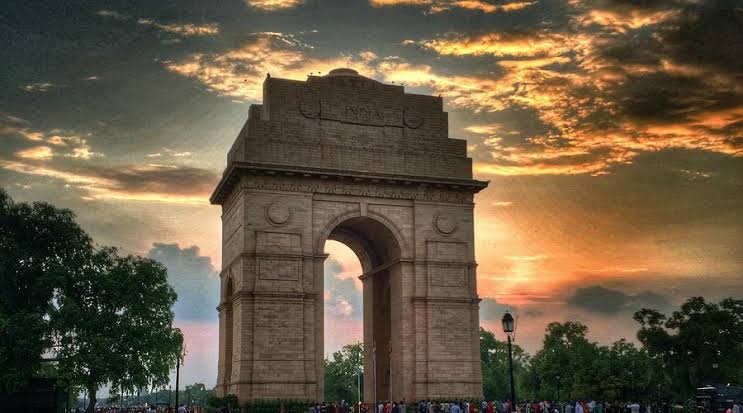
Smog Stories: India’s capital, Delhi, remains one of the most polluted cities in the world, with air quality levels during winter often exceeding the World Health Organization’s safe limits by more than fifteen times. Although the city has recorded a 15.7 per cent decline in its average annual Air Quality Index (AQI) since 2020, it continues to face extended periods of “very poor” and “severe” air pollution. Vehicle exhaust, industrial emissions, stubble burning and cold, stagnant weather combine to form a thick layer of smog between October and February.
While Delhi continues its uphill battle against hazardous air, cities such as London, Beijing and Mexico City have shown that determined policies, cleaner technologies and public participation can transform air quality. Their approaches offer valuable lessons for Delhi’s path toward cleaner skies. The Daily Jagran spoke to experts Sunil Dahiya, Founder and Lead Analyst of Envirocatalysts and Manoj Kumar, Analyst at Centre for Research on Energy and Clean Air (CREA) to get a better understanding on the issue.


